
Translating conflict & refuge: language, displacement, and the politics of representation
Looking at the state of the language industry right now so often can make us, as language activists, feel defeated, hopeless, even horrified. LinkedIn is full of stories about how AI is going to take our jobs, screenshots of exploitative agencies offering fake translation jobs or, when they’re real, rates that are completely inhumane. Governments and institutions across the globe do nothing to protect the linguistic rights of their constituents, and migrants are vilified, arbitrarily detained, and denied access to their basic right to communicate in their language. That’s enough to make any language worker feel a little gloomy about the way our profession–and the world–is heading.
That’s why when you finally get an opportunity to speak to people doing good work, who believe in language rights and justice, it’s so deeply inspiring and refreshing. It reminds you that it’s not all bad–there are organisations and individuals out there who fight every day for the rights of refugees to be heard, for dignified conditions for language workers, and for institutions to prioritise and recognise language work.
Such was our experience recently at a conference at the University of Cambridge titled ‘Translating conflict & refuge: language, displacement, and the politics of representation’. We were invited to speak about Respond’s work during the afternoon session, ‘Reframing translation and displacement through collaboration’. Before I go into what we spoke about, I wanted to highlight some of the incredible presentations of other speakers.
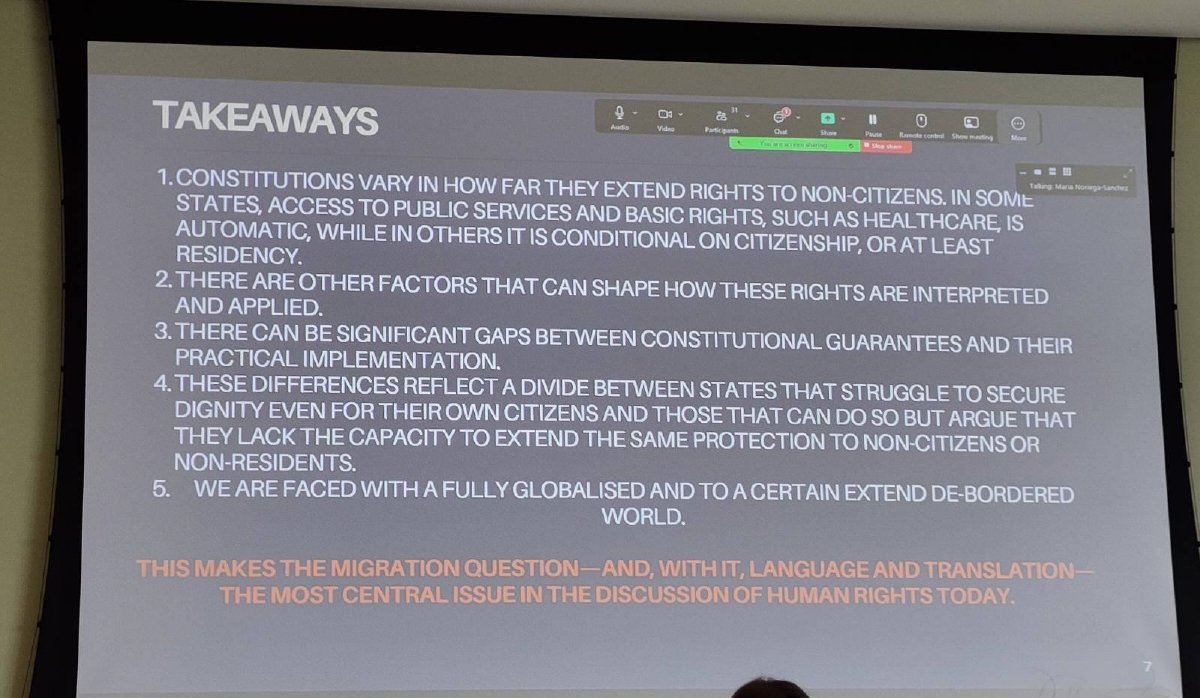
Dr. Aline Larroyed from Dublin City University spoke about ‘Access to translation as a means to the materialisation of human rights’. Her research spotlights the essential role of translation in preventing serious human rights violations - such as breaches of the right to life, health, and non-discrimination - particularly in crisis situations. She gave examples and case studies where AI translation had led to devastating consequences for asylum seekers and forcibly displaced individuals.
Lucio Bagnulo from Amnesty International gave a keynote presentation on ‘When language becomes evidence: strategic multilingualism, trust, and participation in human rights practice’. What stood out to us the most from Lucio’s talk was the reiteration that language and translation in international humanitarian work is not, and should never be, an add-on, an optional extra to be tacked on at the end of a project. It is integral to the process, and should be built into the strategic design of any such project. This message really hit home for us, as we know all too well what it looks like when an international organisation realise only after publishing a report, or organising an event, that they should probably have it translated or interpreted.
While those are the presentations I particularly wanted to highlight here, we also heard fantastic talks from researchers at the University of Cambridge who provided insights from their work with refugee interpreters, from Dr Rasheed Abdul Hadi, who spoke about ‘The chameleonisation of Syrian conflict interpreters’ and the day ended with some beautiful presentations on literary and poetry translation. You can find the full programme here to read the titles of each talk.
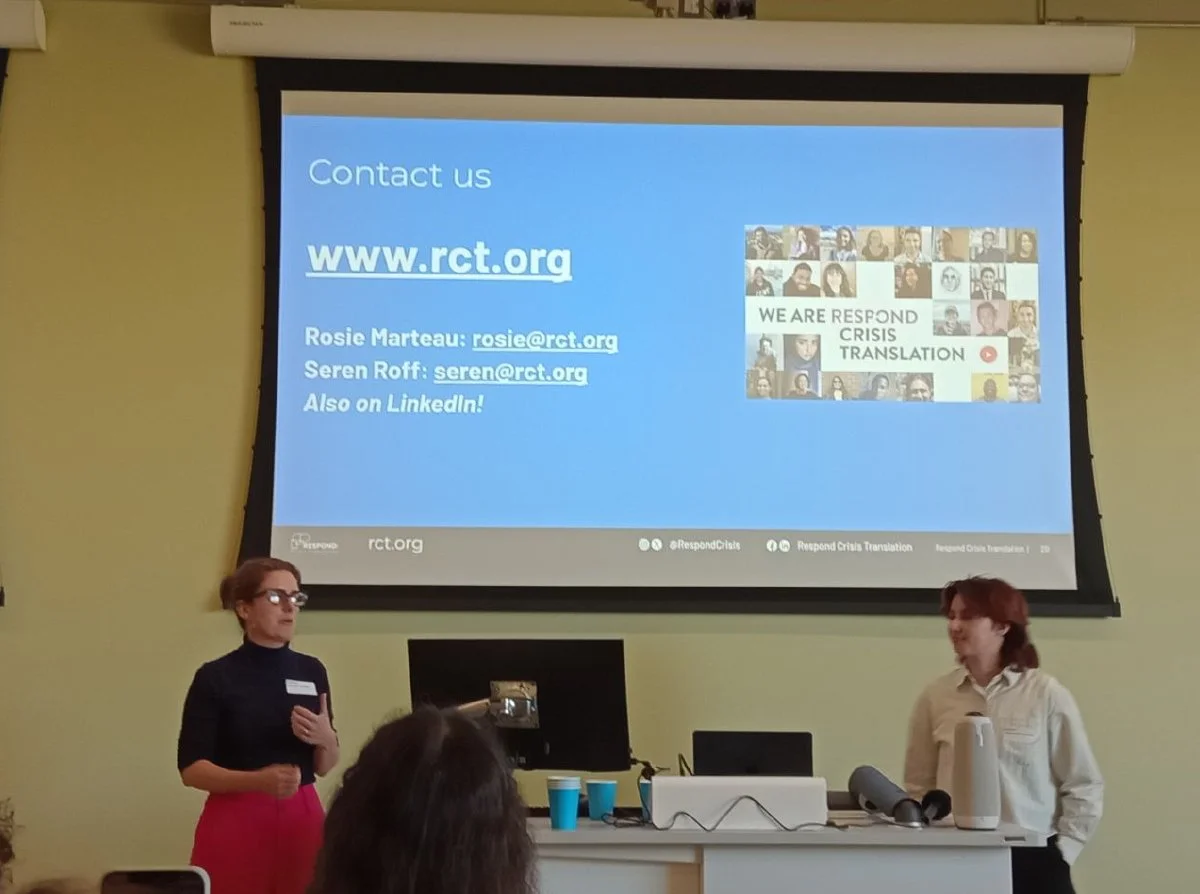
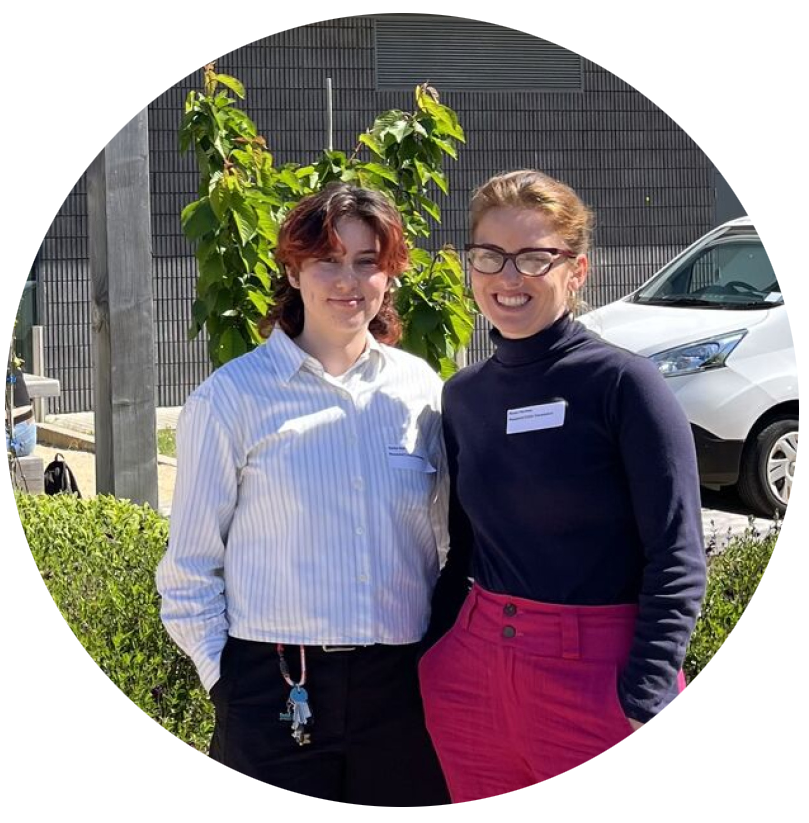
As for us, our presentation was titled ‘From grassroots activism to economic justice for language practitioners’. We focussed on the trajectory of Respond from its origins to what it is today, a global network of 3,000 language workers, many of whom are themselves crisis-impacted. It should be noted that it was not lost on us that myself and Rosie were not the faces that should have been representing us here, as we said at the beginning of our talk. The people who can speak to this work are our staff members who are refugees, our many, many linguists who do this work from conflict zones or who have been displaced. The systems that we exist to fight mean that these individuals do not have the privilege to travel to the UK to speak at an event like this. We can only hope that we did them justice.
Through our talk, we hoped to highlight two main points: 1) that economic justice for language practitioners must be prioritised, and 2) that economic justice is not just paying better wages–it also must include professional development opportunities, training, networking and support. This is Respond’s model: a system where linguists are equipped with the skills and support they need to establish sustainable careers as language workers. It was wonderful to have the opportunity to speak to our workforce development work among such an esteemed crowd of language workers, academics and activists, and to have so many of them resonate with our message.
What really struck me about this event was the atmosphere–translation can be such an isolating profession, and our individual contributions to language activism, as I mentioned above, can sometimes feel like a drop in the ocean. But here, everyone present was truly interested in each others’ work, in supporting other organisations and forming lasting partnerships, and in learning from one another. There were many discussions of how we could sustain the momentum through further events and collaborations. More than anything, this conference gave me hope that we are not alone in the fight for language justice. With so many people fighting against language violence, something has got to give. And so we keep going, together.